HBID Summit 2026: Mobilising growth in a new global order
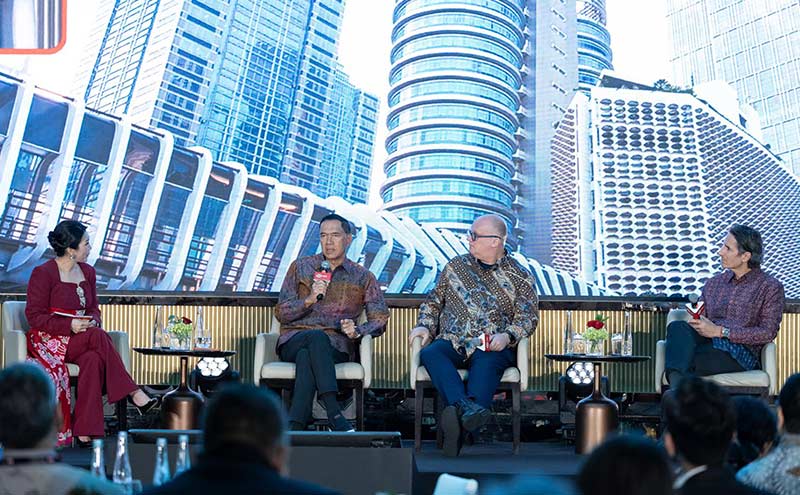
From Jakarta to Surabaya, the HSBC Indonesia Summit 2026 brought together policymakers, business leaders, investors and economists on 29–30 September to explore how Indonesia can mobilise growth amid global uncertainty. Held under the theme ‘Mobilising growth in a new global order’, the two-day conference combined macroeconomic insight, market perspectives and on-the-ground business priorities—while strengthening connections and creating new opportunities for clients and partners.
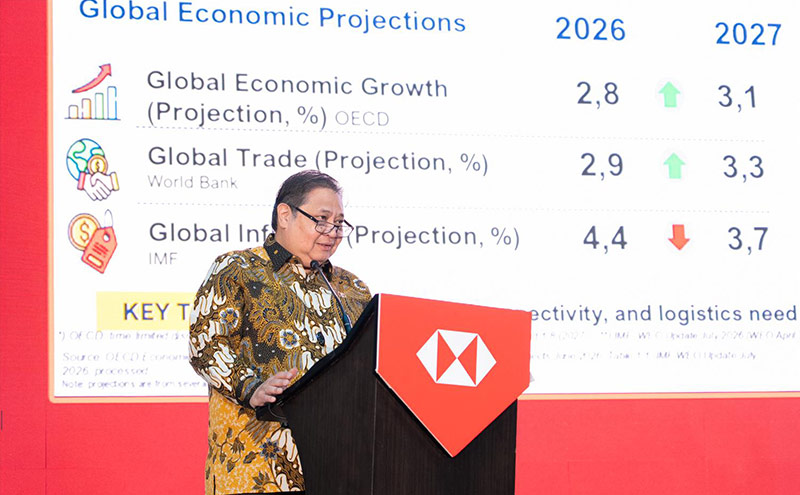
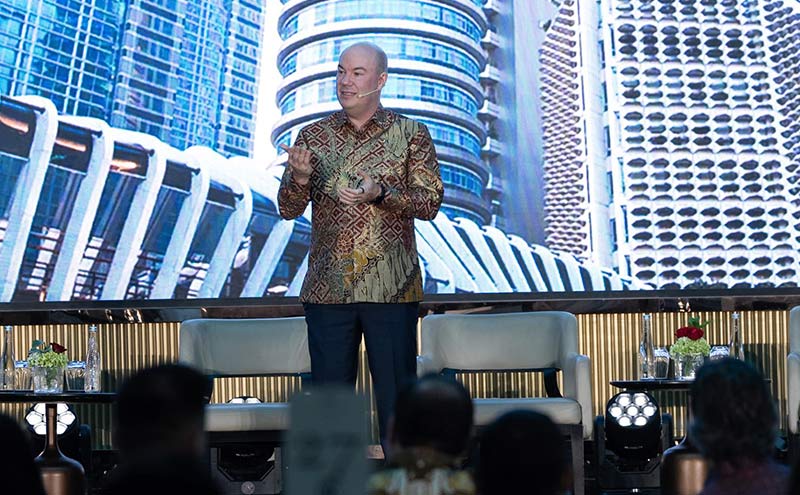
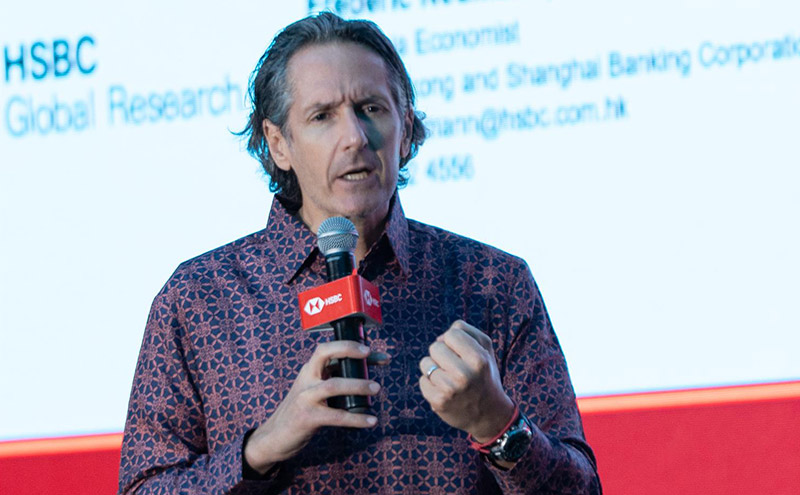
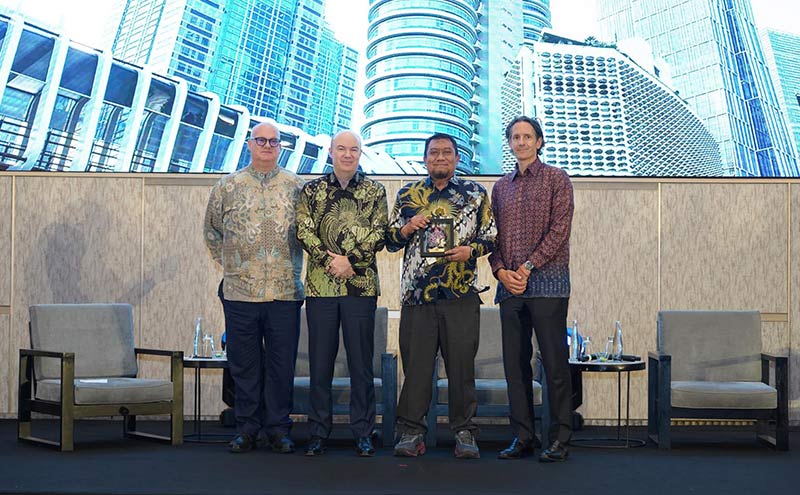
Speakers highlighted Indonesia’s resilience and the steps needed to turn it into sustainable growth. HSBC Chief Asia Economist, Frederic Neumann, said the economy remains resilient, with 2026 growth estimated at 5.4%, while HSBC Chief Asia Equity Strategist, Herald van der Linde, pointed to Indonesia’s young population, natural resources and domestic consumption as enduring strengths. HBID CEO, Stuart Rogers, also attended the event and reaffirmed HSBC’s commitment to supporting Indonesia’s development. And additionally, Coordinating Minister for Economic Affairs, Airlangga Hartarto, called for faster investment growth, higher productivity and more value-added exports.
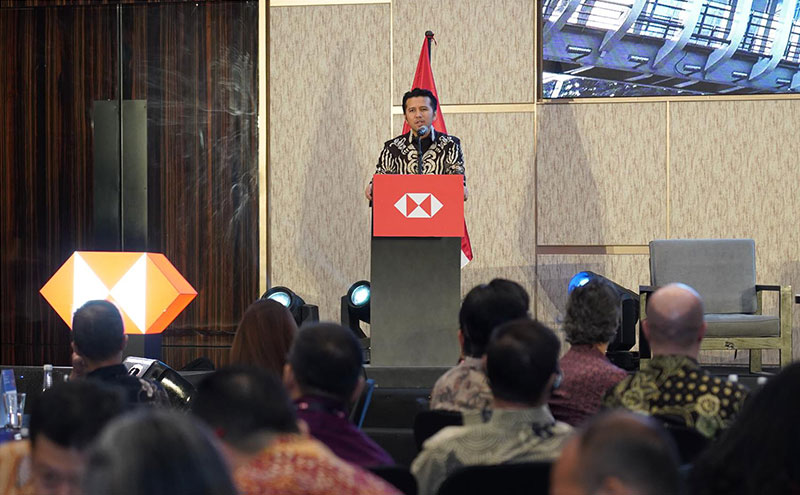
In Surabaya, the spirit of attracting investment was also shown by the East Java Provincial Government. Deputy Governor of East Java, Emil Elestianto Dardak, stressed the need to resolve operational and logistics bottlenecks, while Professor of Universitas Airlangga, Rossanto Dwi Handoyo, highlighted the importance of developing people’s skills to support Indonesia’s efforts to move up the high-value global supply chain.
Together, the discussions presented a compelling case for investing in Indonesia. First-semester 2026 investment realisation reached approximately IDR 1,010 trillion, up 7.2% year on year, creating 1.4 million jobs, while 50.2% of investment flowed to regions outside Java. Opportunities are emerging across electric vehicles, digital infrastructure, AI, semiconductors, agriculture, energy, special economic zones and labour-intensive manufacturing. With a digital economy approaching USD 100 billion, 61 million QRIS users, a large young workforce and 25 special economic zones, Indonesia offers both scale and momentum. The message from the Summit was clear: Indonesia’s opportunity is not simply about attracting capital—it is about turning investment, technology and reform into productivity, jobs and a better future.